
Pool Permits in Warners Bay: Your Complete Guide to Lake Macquarie Council Approval Adding a…
Cessnock Pool Maintenance: Your Complete Seasonal Care Guide
I remember chatting with a client last summer who’d just moved to Cessnock from Sydney. She was shocked when her pool turned green within two weeks—something that rarely happened at her old place. “What’s different about Cessnock?” she asked, frustrated after spending her weekend scrubbing tiles instead of swimming with her kids. The answer? Pretty much everything. Our mineral-rich bore water, the dust from surrounding vineyards during harvest, and those temperature swings between scorching days and cool evenings create a unique set of challenges that Sydney’s coastal pools never face.
Here’s what most Cessnock pool owners don’t realise until it’s too late: the same maintenance routine that worked perfectly in Newcastle or the Hunter Coast won’t cut it here. Our region demands a different approach, and understanding these local conditions is the difference between a sparkling pool that’s ready whenever you are, and one that constantly needs rescuing. Let’s break down exactly what Cessnock pool maintenance really involves throughout the year.
Cessnock’s Climate Challenges for Pool Owners
Cessnock sits in what I call the “forgotten zone” when it comes to pool care advice. We’re not quite coastal, not quite inland, and that in-between position creates headaches most pool care guides never mention. You’ve got the Hunter Valley’s temperature extremes—we’re talking 40-degree days in January followed by 5-degree mornings in July. Your pool doesn’t just sit there peacefully through these swings.
Then there’s the water itself. Most of Cessnock runs on bore water or tank water mixed with town supply, and both come loaded with minerals that throw your chemistry completely off balance. Calcium, magnesium, iron—they’re all present in levels that coastal pools never see.
The dust is another beast entirely. During vintage season from February through April, you’ll find a fine layer of vineyard dust settling on everything, including your pool surface. This isn’t just annoying—it actually feeds algae growth and clogs your filtration system faster than you’d expect.
Seasonal Maintenance Calendar for Cessnock Pools
Summer (December-February): This is when your pool gets hammered. Water evaporates faster in Cessnock than almost anywhere else in the Hunter—I’ve seen pools lose 10-15mm per day during extreme heatwaves. Check your chlorine levels every second day during peak summer, not weekly like some guides suggest. Run your pump 10-12 hours daily when temperatures soar, and backwash your filter weekly during this period.
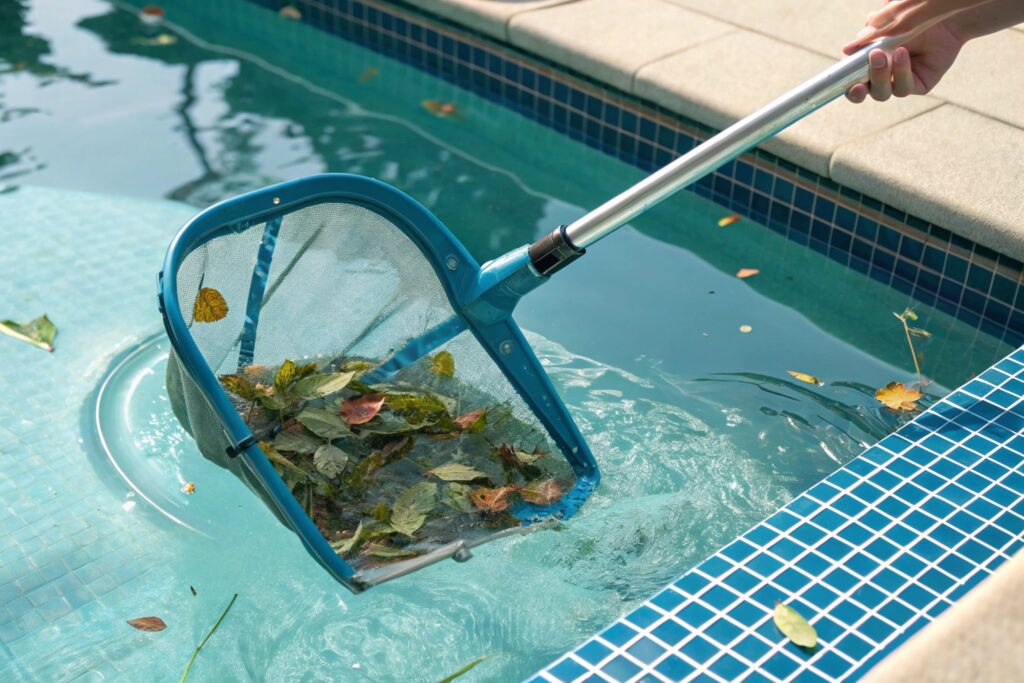
Autumn (March-May): Vintage season hits, and suddenly you’re dealing with dust you can’t see until it’s coating your pool floor. Increase your skimming routine to daily if possible, and watch your filter pressure gauge like a hawk. Get a good leaf rake and use it—don’t let leaves sink and start decomposing on your pool floor.
Winter (June-August): Here’s where most Cessnock pool owners make their biggest mistake—they basically ignore their pool from June to August. Run your pump 3-4 hours daily minimum, even in winter. Check your water chemistry fortnightly and adjust as needed. This is actually the perfect time to do equipment maintenance before the next summer rush.
Spring (September-November): Don’t wait until November to start thinking about summer prep. Early spring is when you should be getting everything ship-shape. This is also prime time for that annual filter clean—not just a backwash, but a proper chemical clean or cartridge replacement depending on your system.
Managing Water Chemistry in Cessnock’s Mineral-Rich Water
The first thing you need to accept about Cessnock pool maintenance is that the “normal” chemical ranges don’t always apply here. Calcium hardness is your biggest enemy. Cessnock’s bore water often comes out of the ground at 400-600 ppm calcium hardness, when your ideal range is 200-400 ppm. High calcium leads to that white, crusty scale on your tiles and salt cells.
Iron is the other troublemaker. Even small amounts can turn your pool brown or green when chlorine oxidises it. If your pool has a persistent brown tint despite perfect chlorine levels, get a metals test done. You might need a metal sequestrant, not more chlorine.
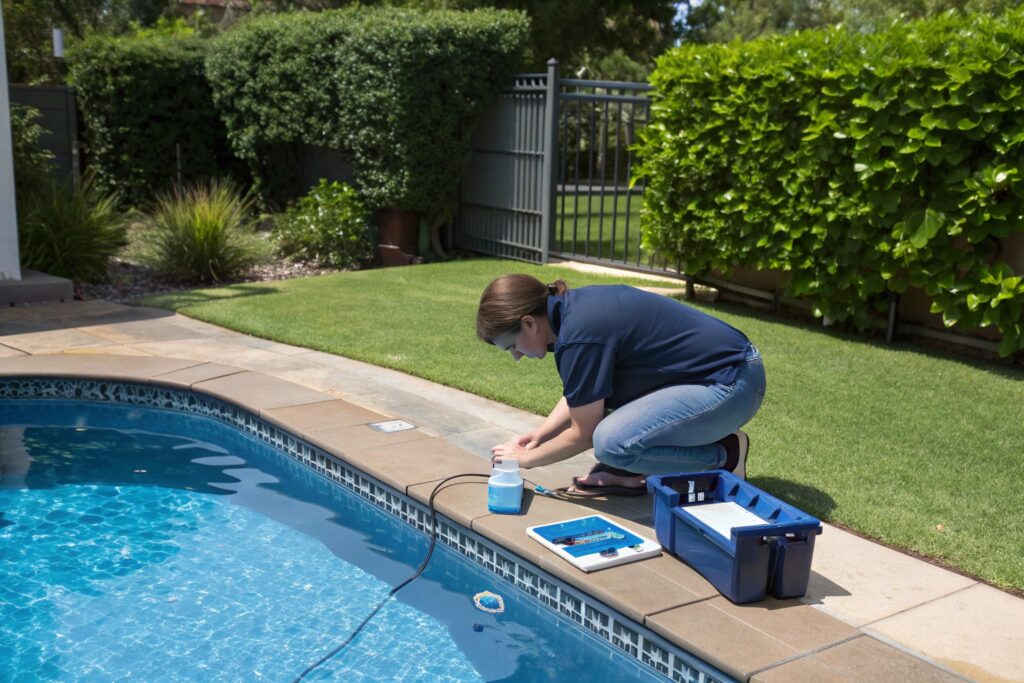
pH tends to drift upward here, especially if you’re using bore water for top-ups. Test your pH twice weekly during summer, weekly in cooler months. Keep your acid supply stocked—you’ll use more of it in Cessnock than pool owners in other regions.
Protecting Your Pool During Wine Harvest Season
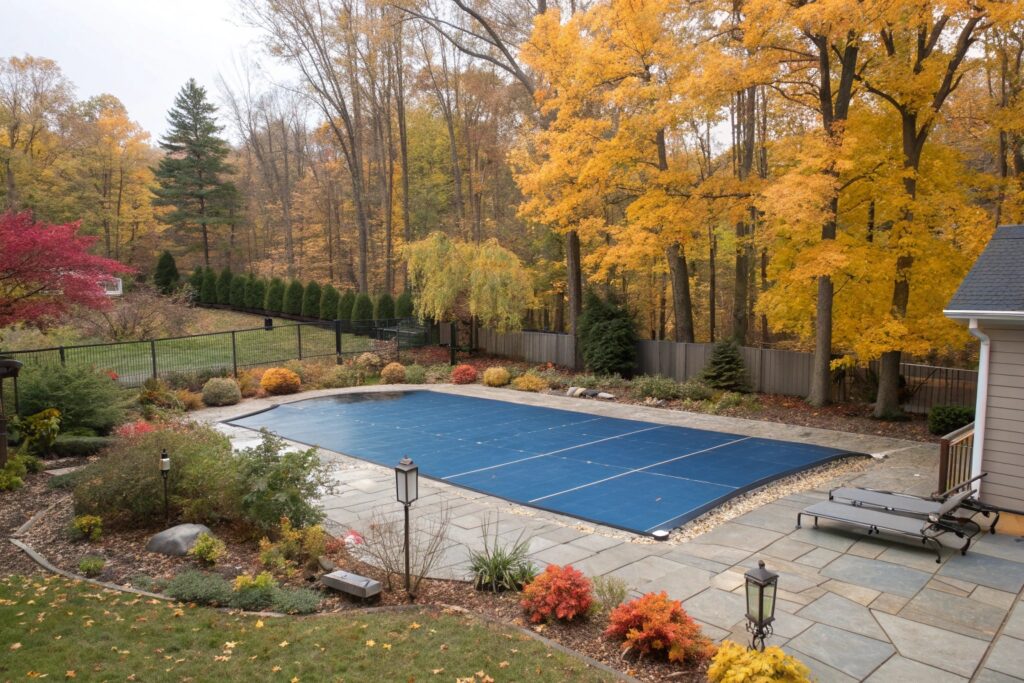
Vintage time in Cessnock is when your pool faces challenges that coastal pool owners never even think about. Cover your pool when you’re not using it, even during the day. A good solar cover or leaf cover keeps 80-90% of that airborne dust out of your water.
Your skimmer baskets need checking daily during harvest. Watch your filter pressure more closely during this period too. The fine vineyard dust doesn’t just sit in your skimmer—much of it makes it through to your filter media. Consider a phosphate remover treatment in early February before vintage really kicks off.
Equipment Maintenance for Longevity in Cessnock Conditions
Your pool equipment cops a beating in Cessnock that equipment in milder climates never experiences. Pump maintenance starts with listening. Your pool pump should hum along quietly without grinding, squealing, or rattling sounds. If you hear anything odd, don’t ignore it.
Salt chlorinators need more attention in Cessnock than the manufacturers usually mention. You should be inspecting your cell every 6-8 weeks during summer, monthly in winter. Manual cleaning with diluted hydrochloric acid extends your cell life by years.
Professional vs. DIY Pool Maintenance in Cessnock
DIY maintenance works great if you’re home regularly, don’t mind getting your hands dirty, and have the time to stay on top of weekly tasks. You’ll save $150-300 monthly in service fees. Where DIY falls apart is when life gets busy. If you travel frequently for work, have young kids demanding your weekend attention, or honestly just don’t want another Saturday morning chore, professional service pays for itself in peace of mind.
The middle ground works well for many Cessnock pool owners—handle your own weekly skimming and basic testing, but get monthly professional visits for equipment checks and deeper maintenance. This hybrid approach costs maybe $80-120 monthly instead of $200-300 for full weekly service. When choosing professional maintenance, look for SPASA-accredited technicians who understand industry standards and local conditions.
Technology Solutions for Busy Cessnock Pool Owners
Pool technology has come a long way from the days of manually dosing chemicals and hoping for the best. Robotic cleaners have dropped in price dramatically—you can get a decent one for $800-1200 that’ll scrub your pool floor and walls during vintage season when dust is constant.
Automated chemical dosing systems test your water constantly and dose chemicals as needed. In Cessnock’s challenging conditions, they’re particularly valuable because they respond to pH drift and chlorine demand before you’d even notice there’s a problem. Smart pool monitors connect to your phone and send alerts when something’s out of whack, costing $300-500 and preventing problems before they start.
Keep Your Cessnock Pool in Perfect Condition Year-Round
Looking after a pool in Cessnock doesn’t have to be complicated, but it does require understanding what makes our region different. The mineral-rich water, vintage season dust, temperature extremes, and local conditions all demand a maintenance approach that generic pool care advice simply doesn’t cover.
Need help getting your Cessnock pool maintenance routine sorted? Our team knows Cessnock pools inside and out—we’ve been maintaining them through every vintage season, heatwave, and cold snap for years. Get in touch for a free pool assessment, and we’ll show you exactly what your pool needs to stay crystal clear all year long.

